
Are Carbonated Drinks Bad for You?
Summer heat hits hard. A cold carbonated drink cools you fast. You grab one at a barbecue with hot grilled meat or just sit outside to relax. The fizz feels nice on your tongue. It wakes up your taste right away. But if you drink them often, you start to wonder. Are carbonated drinks bad for you? Let's look at this in easy words.

Carbonated drinks are liquids full of bubbles. The bubbles come from carbon dioxide gas mixed in the water. You open a bottle or can. The gas rushes out. That makes the fizz. It gives a fresh, sharp feeling in your mouth.
These drinks come in many types. But CO₂ always makes the fizz. Take away the gas. You just have sweet water.
How Are Carbonated Drinks Produced?
Production starts with very clean water. Workers mix in syrup next. The syrup contains sugar or other sweeteners, plus flavors and other taste parts.
After that comes carbonation. They push carbon dioxide gas into the liquid under high pressure. The pressure holds the bubbles inside until you open the container.
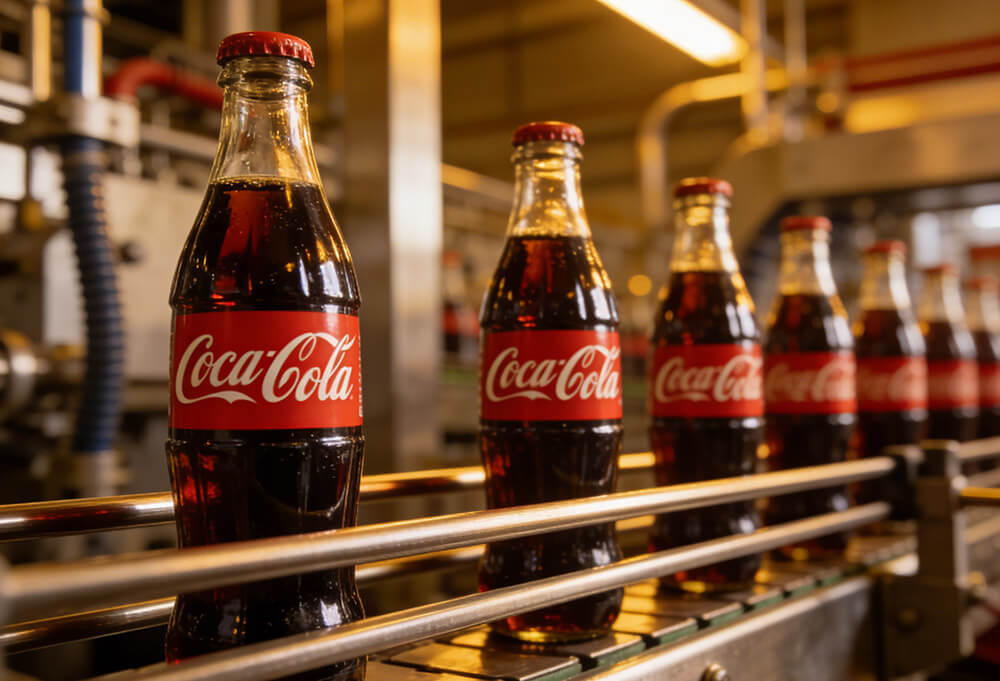
Then filling starts. The carbonated drink filling machine plays a key role here. It pours the drink into bottles or cans quickly while keeping pressure on. This saves the fizz. The machine seals each container tight. Drinks stay fresh and bubbly during shipping and on store shelves. Factories rely on the carbonated drink filling machine to work fast and keep high quality every time.
What Types of Carbonated Drinks Are There?
Common types include these:
2. Lemon-lime sodas (like Sprite or 7-Up) — clear with citrus taste, great for mixing.
3. Fruit-flavored sodas (orange, grape, and more) — bright colors and strong fruit taste.

5. Ginger ale and root beer — spicy or herbal notes, often used in mixed drinks.
Each kind brings its own taste. Some feel sweet and heavy. Others stay light and fresh.
Are Carbonated Drinks Bad for You?
It depends on the type and how much you drink.
Unsweetened sparkling water helps a lot. It hydrates your body just like plain water. Some people find it easier to swallow. It can even aid digestion a bit.
Sugary sodas create problems when you drink them every day. They link to weight gain, higher diabetes risk, and tooth damage from acid plus sugar. The trouble starts with sugar, acids, and additives — not the bubbles themselves.
Most people can handle a fizzy drink once in a while. Choose unsweetened sparkling water for better health. If your stomach gets upset easily, too much fizz may cause bloating or extra gas.
Do Carbonated Drinks Have High Sugar Content?
Many types do have lots of sugar.
A standard 340ml (12oz) can of regular soda holds about 39–40 grams of sugar. That equals almost 10 teaspoons. It goes over the daily limit for added sugar.

Too much sugar brings empty calories. Over time that leads to weight gain. Always read the label. Pick low-sugar options when you can.
Do Carbonated Drinks Affect Appetite?
Some studies suggest they might.
Carbonation can increase ghrelin. Ghrelin is the hormone that makes you feel hungry. So you might want to eat more after a fizzy drink.
Tests show people or animals ate bigger amounts after carbonated drinks compared to flat ones. But results vary. Not everyone feels extra hungry.
If you try to control your weight, stick to plain water. It avoids any hunger push from the bubbles.
Do Carbonated Drinks Expire?

Past that date they remain safe to drink. But fizz fades slowly. Taste gets weaker too. They won't make you sick. They just turn flat.
Once you open them, fizz escapes fast. Even in the fridge they last only a few days. If a can bulges or looks damaged, throw it away.
How to Store Carbonated Drinks?
Keep them in a cool, dry place. Stay away from direct sun and heat. High temperatures make flavor fade and bubbles disappear faster.
The fridge works best. It protects taste and fizz. Always stand bottles upright. That prevents leaks.
For opened bottles, close the cap tight and put them back in the fridge. Full bottles hold pressure better. So fizz lasts longer. Never shake them hard.
Unsweetened sparkling water does almost no harm and feels refreshing. Sugary versions add calories. They can lead to tooth decay or extra weight. The bubbles cause no damage. The sugar and acids do.
If you enjoy them, choose low-sugar types and drink once in a while. Drink plain water most of the time. Then you can enjoy without worry. Drink smart, and cheers!
- Beer filling machine solution
- Carbonated drink filling machine solution
- Soda water filling project solution
- Edible oil filling project solution
- Beverage filling equipment
- Drink water packing machine
- Beverage bottling equipment
- Automatic beverage filling machine
- Cold drink filling machine
- Water filling machine
- E-mail : sales8@micmachinery.com
- Address : 2224 Wukesong Road, Sanxing town, Zhangjiagang, Jiangsu, China
- Office Address: Building 22 Lansheng Phoenix IndustrialPark, No.8 Jifu Road, Zhangiiagang
- Whatsapp / Tel : 0086-13083991987

- Beer Filling Machine
- Juice Filling Machine
- Soda Filling Machine
- Drink Filling Machine
- Carbonated Soft Drink Filling Machine
- Beverage Filling Machine
-
Labeling Machine
- Round Bottle Labeling Machine
- Shrink Sleeve Labeling Machines
- Shrink Sleeve Machine Shrink Label Machine
- Shrink Sleeve Applicator Packaging Machine
- Can Sleeving Machine
- Shrink Sleeve Packaging Machines
- Hot Melt Glue Labeling Machine
- Self Adhesive Labeling Machine
- Laser Coding Machine
- Other Types Of Labeling Machines
- Round Bottle Labeling Machine
-
Packing Machine
- Wrap Packing Machine
- Case Packing Machine
- Blow-drying Machine
- Depalletizer
- Carbonated Drink Mixing Machine
- Pasteurization Machine
- Liquid Nitrogen Dosing Machine
- X-Ray Liquid Level Detection Machine
- Weight Detector
- Metal Detector Food Industry
- Aseptic Liquid Nitrogen Dosing Machine
- Palletizer
- Pallet Wrapping Machine
- Bottle Blowing Machine
- Semi Auto Bottle Blowing Machine
- Wrap Packing Machine
-
Beer Beverage Filling Machine
- Can filling machine
- Glass bottle filling machine
- Pet bottle filling machine
- Beer Filling Machine
- Beer Can Filling Machine
- Beer Bottle Filling Machine
- Semi Automatic Beer Filling Machine
- Soda Filling Machine
- Soda Bottling Machine
- Juice Filling Machine
- Juice Can Filling Machine
- Beverage Filling Machine
- Carbonated Drink Filling Machine
- Edible Oil Filling Machine
- Water Filling Machine
- Aseptic Cold Filling Machine
- Blowing Filling Capping Machine
- Can filling machine
- Beverage Processing Equipment
-
Auxiliary equipment